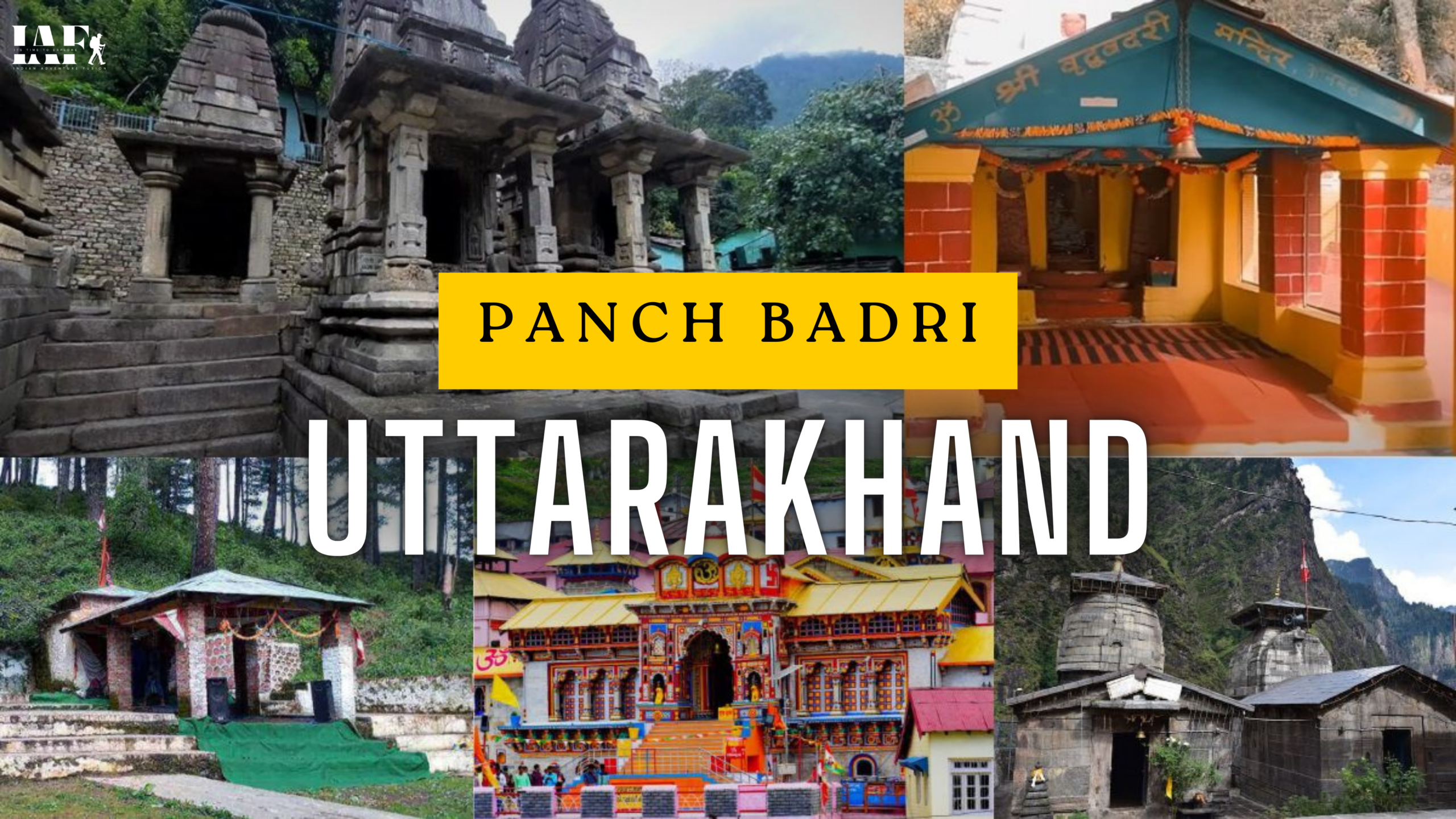
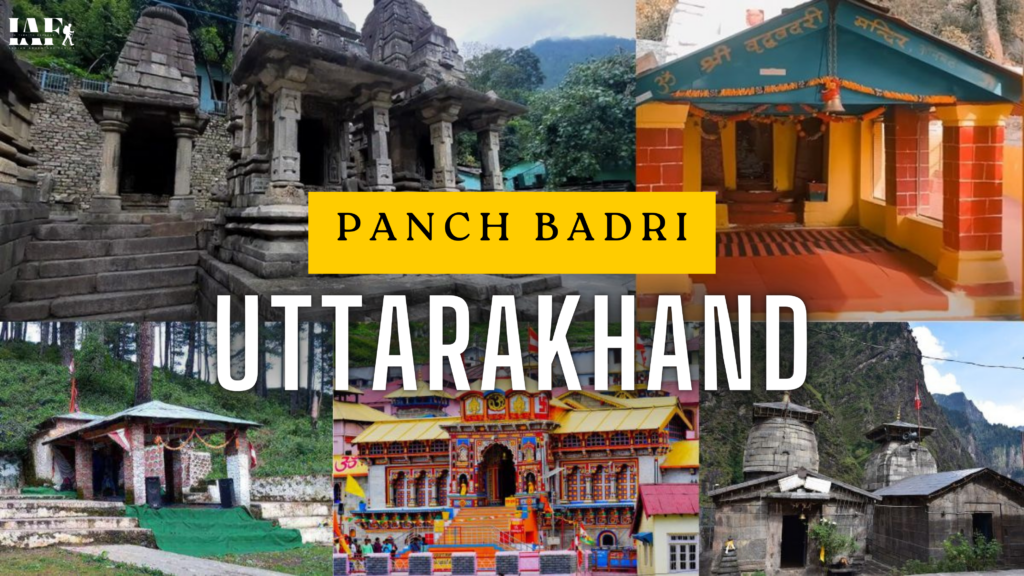
Panch Badri refers to the five sacred temples dedicated to Lord Vishnu in the Garhwal region of Uttarakhand. These five temples form an important religious circuit connected to Badrinath and hold deep spiritual significance in Hinduism. Devotees visit Panch Badri to seek blessings of Lord Vishnu in his different forms.
The five temples of Panch Badri include Badrinath, Yogdhyan Badri, Bhavishya Badri, Vridha Badri, and Adi Badri. Each temple has its own religious importance and historical background.
Badrinath Temple is the main shrine and one of the Char Dham destinations. Yogdhyan Badri is located at Pandukeshwar and is associated with the Pandavas. Devotees believe that King Pandu meditated here. Bhavishya Badri is believed to be the future seat of Lord Vishnu when Badrinath becomes inaccessible. Vridha Badri is an ancient temple where Lord Vishnu appeared before Narada in the form of an old sage. Adi Badri consists of a group of ancient temples believed to date back to the Gupta period.
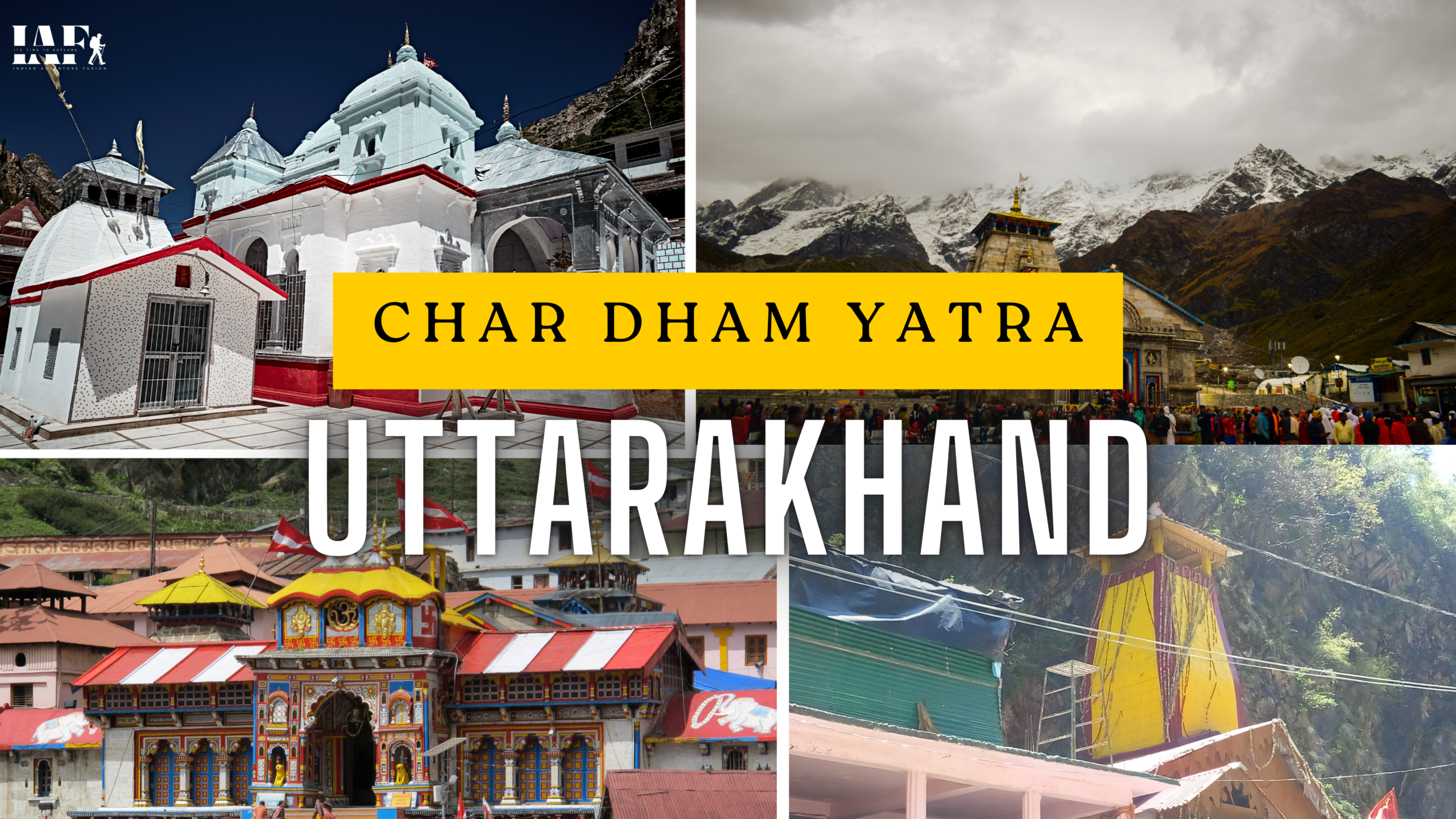
These temples are located in the Chamoli district and nearby regions of Uttarakhand. The scenic surroundings of mountains, rivers, and forests enhance the spiritual experience for visitors. Pilgrims often combine the Panch Badri Yatra with the Char Dham Yatra to complete their religious journey.
The temples remain open mainly during summer and close in winter due to heavy snowfall in the higher regions. Thousands of devotees visit Panch Badri every year to experience peace, devotion, and divine blessings.
Panch Badri holds great religious, historical, and cultural importance in Uttarakhand. It represents the different manifestations of Lord Vishnu and strengthens the spiritual heritage of the Himalayan region.
Badrinath Temple – Main Panch Badri Temple in Uttarakhand
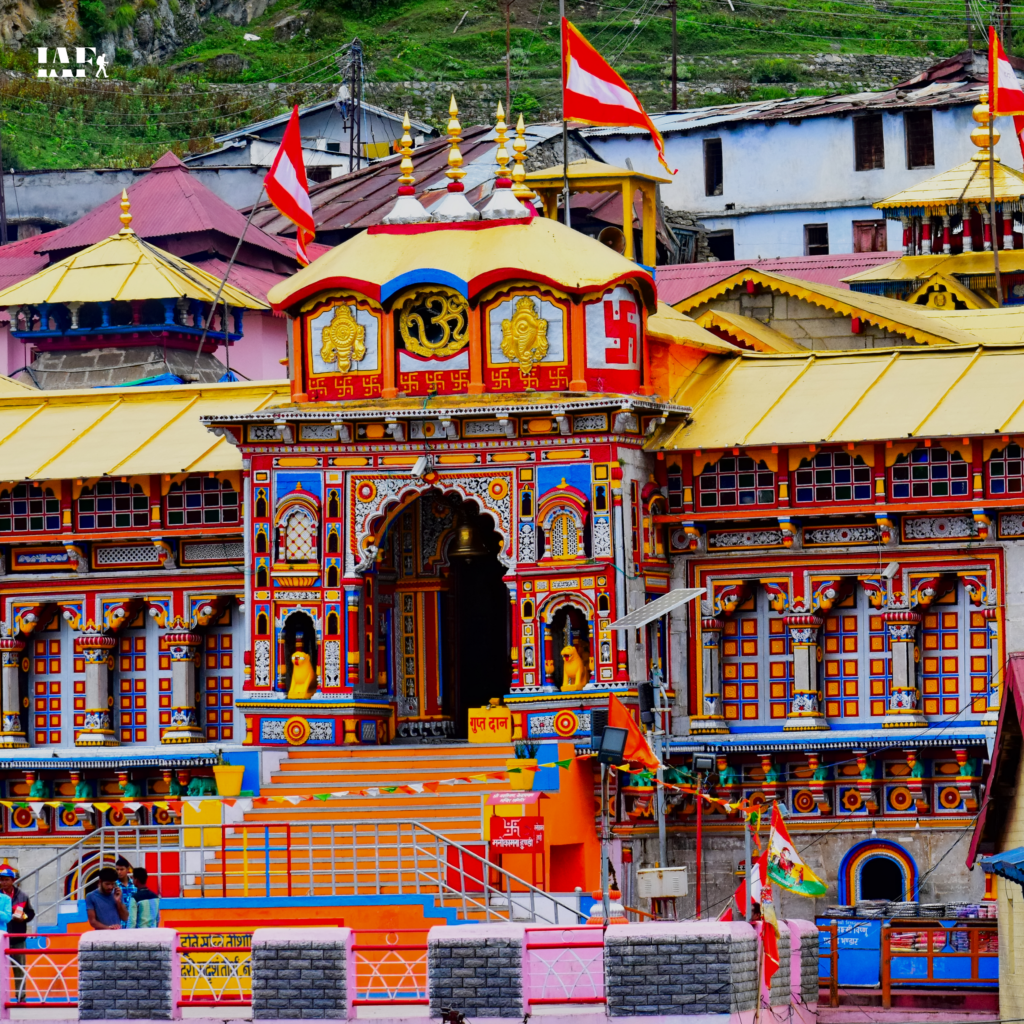
Badrinath Temple is one of the most important shrines of the Char Dham Yatra in Uttarakhand. It is located in the Chamoli district at an altitude of about 3,133 meters above sea level. The temple stands on the banks of the Alaknanda River and is surrounded by the beautiful Nar and Narayan mountain ranges.
Devotees worship Lord Vishnu here in the form of Badrinarayan. The temple holds great importance in Hinduism. It is also one of the 108 Divya Desams, which are sacred temples dedicated to Lord Vishnu. According to belief, Lord Vishnu meditated at this place, and Goddess Lakshmi protected him in the form of a Badri tree. This legend gives the temple its name, Badrinath.
Adi Shankaracharya established the present temple in the 8th century. Over time, rulers of Garhwal renovated and maintained it. The temple features a colorful façade and traditional Himalayan architecture, which attracts pilgrims and tourists alike.
Before entering the temple, devotees take a holy dip in Tapt Kund, a natural hot water spring located near the entrance. Many pilgrims believe that bathing in this kund purifies the body and soul.
The temple opens every year in April or May and closes in October or November due to heavy snowfall. During winter, priests shift the idol to Joshimath for worship.
Thousands of devotees visit Badrinath Temple every year to seek blessings, peace, and spiritual growth. The calm river, snow‑covered peaks, and divine atmosphere create a truly sacred experience.
Badrinath remains one of the most visited pilgrimage destinations in India and holds deep religious and cultural significance in Uttarakhand.
Yogdhyan Badri Temple at Pandukeshwar
Yogdhyan Badri is one of the five sacred temples of the Panch Badri circuit in Uttarakhand. It is located at Pandukeshwar in the Chamoli district, situated between Joshimath and Badrinath. Surrounded by the majestic Garhwal Himalayas, this temple holds great religious and historical importance.
Devotees worship Lord Vishnu here in a meditative posture. Unlike Badrinath Temple, where the idol stands in a traditional form, the idol at Yogdhyan Badri shows Lord Vishnu in a calm and yogic position. This unique form gives the temple its name, “Yogdhyan,” which means meditation.
According to Hindu mythology, King Pandu, the father of the Pandavas, performed deep penance at this sacred place. Devotees believe that the Pandavas also worshipped Lord Vishnu here before ascending toward heaven. Therefore, Yogdhyan Badri holds a strong connection with the Mahabharata period.
The temple features traditional Himalayan stone architecture. The peaceful surroundings and flowing Alaknanda River nearby create a calm spiritual atmosphere. Pilgrims often visit Yogdhyan Badri while traveling to Badrinath, as it lies on the same route.
During winter, when Badrinath Temple closes due to heavy snowfall, special religious importance is given to nearby temples in the region. Many devotees include Yogdhyan Badri in their Panch Badri Yatra to complete their spiritual journey.
Yogdhyan Badri represents devotion, meditation, and inner peace. It remains an important pilgrimage site for those seeking blessings of Lord Vishnu in his serene and meditative form.
Bhavishya Badri – Future Vishnu Temple in Uttarakhand
Bhavishya Badri is one of the sacred temples of the Panch Badri circuit in Uttarakhand. It is located in the Chamoli district near Subhain village, about 17 kilometers from Joshimath. Surrounded by dense forests and beautiful Himalayan landscapes, this temple holds deep religious significance in Hindu tradition.
Devotees worship Lord Vishnu at Bhavishya Badri in a unique form. The name “Bhavishya” means “future.” According to Hindu belief, this temple will become the main seat of Lord Vishnu in the future. It is believed that when the present Badrinath Temple becomes inaccessible due to natural changes in the Himalayas, worship will continue at Bhavishya Badri.
The idol at Bhavishya Badri is small and is believed to be gradually growing in size. Many devotees consider this a divine sign connected to the future prophecy. This belief makes the temple spiritually important among pilgrims.
Reaching Bhavishya Badri requires a short trek from Subhain village. The path passes through scenic forests and mountain trails. Therefore, the journey offers both a spiritual and adventurous experience. Unlike Badrinath, this temple remains less crowded, which allows visitors to experience peace and calmness.
Pilgrims often include Bhavishya Badri in their Panch Badri Yatra to complete their spiritual circuit. The temple represents faith in the continuity of devotion and the eternal presence of Lord Vishnu in the Himalayas.
Bhavishya Badri stands as a symbol of future hope, devotion, and divine protection in Uttarakhand.
Vridha Badri Temple near Joshimath
Vridha Badri is one of the sacred temples included in the Panch Badri circuit of Uttarakhand. It is located at Animath village near Joshimath in the Chamoli district. Surrounded by the serene beauty of the Garhwal Himalayas, this temple holds great historical and religious importance.
The word “Vridha” means “old” or “aged.” Devotees worship Lord Vishnu here in the form of an old sage. According to Hindu belief, Lord Vishnu appeared before Sage Narada at this place in the form of an elderly man. Therefore, the temple came to be known as Vridha Badri.
This temple is considered one of the oldest among the Panch Badri temples. Unlike Badrinath, which remains closed during winter due to heavy snowfall, Vridha Badri remains accessible throughout the year. As a result, it holds special importance during the winter months when higher-altitude temples close.
The temple features simple yet traditional Himalayan stone architecture. The peaceful surroundings and less crowded atmosphere allow devotees to experience calmness and devotion. Pilgrims often visit Vridha Badri while traveling to Joshimath or as part of the Panch Badri Yatra.
Vridha Badri represents the ancient and timeless presence of Lord Vishnu in the Himalayan region. It strengthens the spiritual connection of devotees and preserves the rich religious heritage of Uttarakhand.
Adi Badri – The Ancient Temple Group
Adi Badri is one of the important temples in the Panch Badri circuit of Uttarakhand. It is located in the Chamoli district near Karnaprayag, along the Ranikhet road. Unlike the high‑altitude Badri temples, Adi Badri lies at a lower elevation, which makes it accessible throughout the year.
Adi Badri is not a single temple but a group of ancient temples dedicated to Lord Vishnu. Historians believe that these temples were built during the Gupta period, between the 5th and 8th centuries. The main temple in the complex houses a black stone idol of Lord Vishnu. The architecture reflects traditional North Indian temple style with simple yet elegant stone carvings.
According to religious belief, Adi Shankaracharya played an important role in promoting worship at this site. Many devotees consider Adi Badri as the ancient seat of Lord Vishnu before the establishment of Badrinath as the main shrine. Therefore, the temple holds both historical and spiritual importance.
The peaceful surroundings, green hills, and quiet atmosphere create a calm environment for prayer and meditation. Since the temple remains open throughout the year, pilgrims often visit Adi Badri even when the higher Himalayan temples close during winter.
Adi Badri represents the ancient roots of Vishnu worship in Uttarakhand. It preserves the cultural and architectural heritage of the region and completes the sacred Panch Badri Yatra.