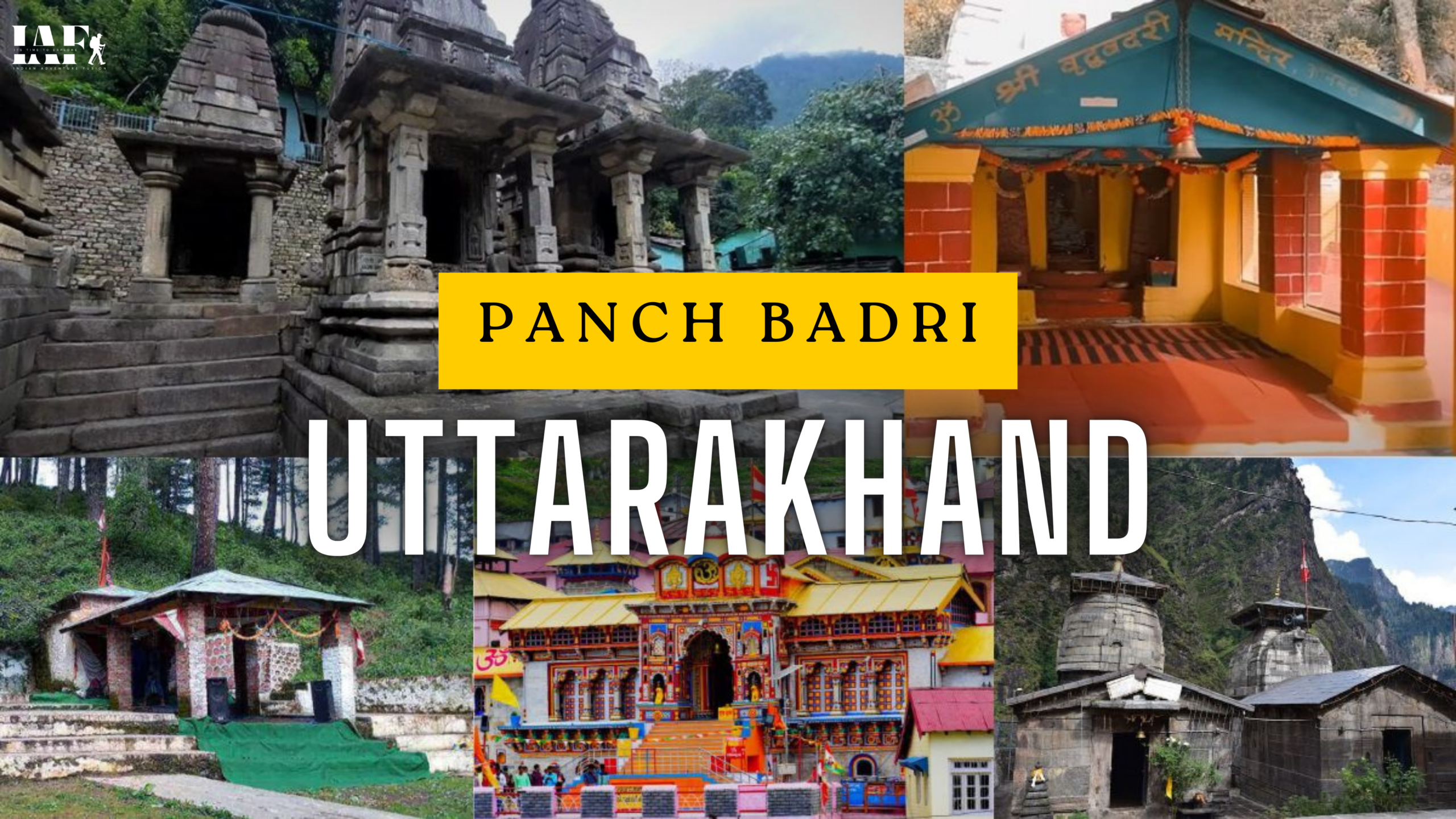
The Char Dham Yatra Uttarakhand is one of the most sacred and spiritually significant pilgrimage journeys in India. Situated in the majestic Garhwal Himalayas of Uttarakhand, this revered circuit covers four holy shrines — Yamunotri, Gangotri, Kedarnath, and Badrinath. These temples are located at high altitudes amidst snow-capped mountains, glacial rivers, and breathtaking valleys, offering a divine and peaceful atmosphere to devotees.
This pilgrimage holds immense importance in Hinduism, as it is believed that visiting these four sacred temples helps cleanse one’s sins and leads toward spiritual liberation (moksha). Every year, thousands of pilgrims from across India and abroad undertake this holy journey with deep faith and devotion.
The traditional sequence of the yatra begins from Yamunotri, followed by Gangotri, then Kedarnath, and finally Badrinath. This west-to-east route follows ancient customs and is considered spiritually significant. Each shrine is dedicated to a different deity and is associated with sacred rivers and mythological beliefs that have been followed for centuries.
The temples generally open during April or May and remain accessible until October or early November, depending on weather conditions. Due to heavy snowfall in winter, the shrines remain closed for several months.
Apart from its religious value, the journey also offers an unforgettable Himalayan travel experience filled with scenic trekking routes, mountain landscapes, and cultural traditions of Uttarakhand. The Char Dham Yatra Uttarakhand remains one of the most visited pilgrimage circuits in the country and continues to attract spiritual seekers every year.
Gangotri – The Origin of the Sacred River Ganga
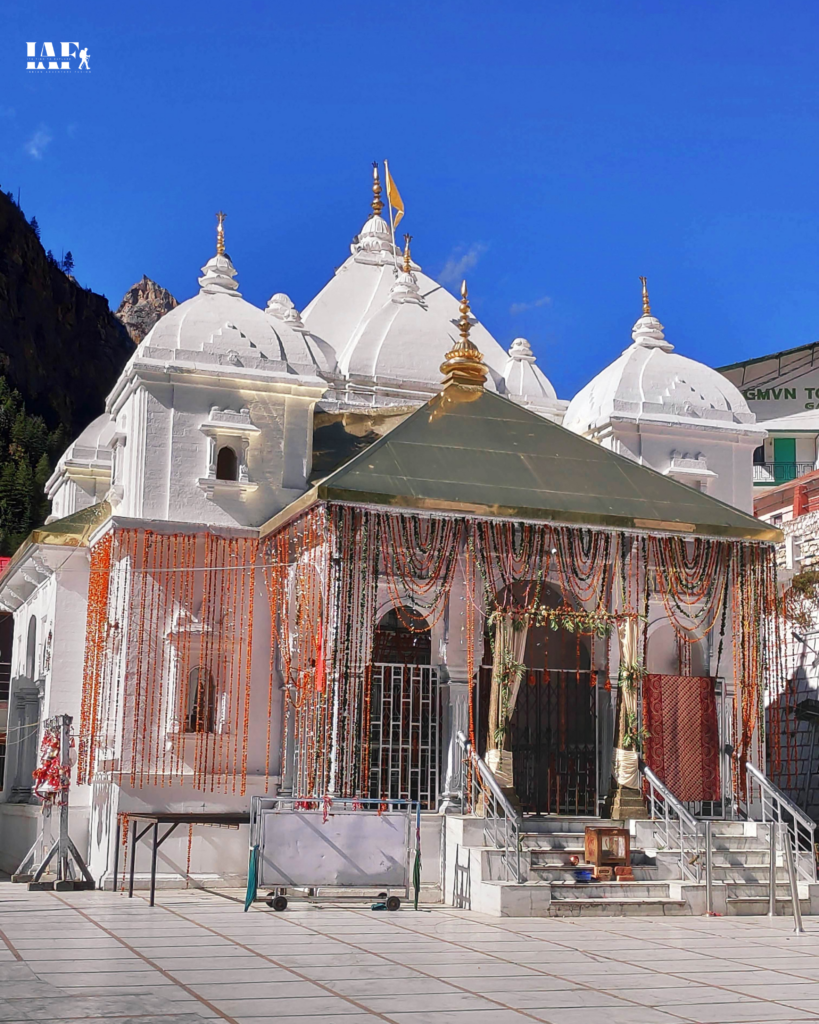
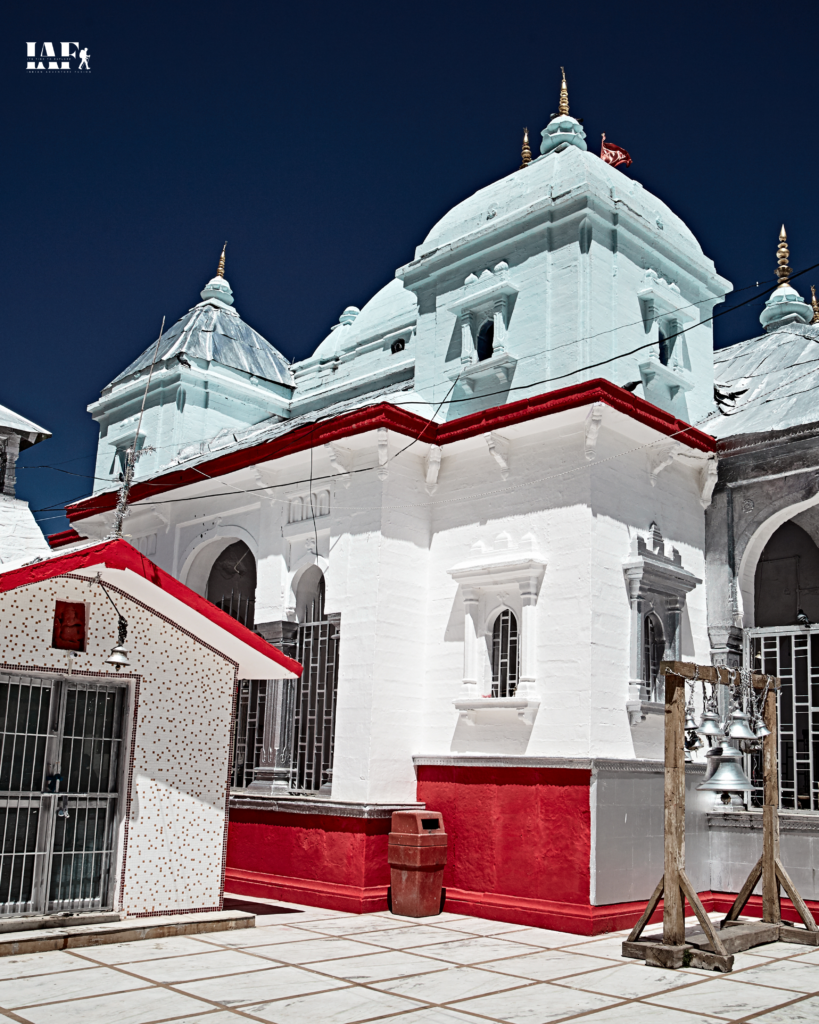
Gangotri Dham is one of the four holy shrines of the Char Dham Yatra in Uttarakhand. It stands at an altitude of about 3,048 meters in the Uttarkashi district. The temple lies on the banks of the Bhagirathi River in the Garhwal Himalayas.
Devotees worship Goddess Ganga at Gangotri Temple. According to Hindu belief, King Bhagirath performed deep penance here to bring the River Ganga to Earth. Lord Shiva received the powerful river in his matted hair to control its force. Therefore, Gangotri holds great spiritual importance.
Gorkha General Amar Singh Thapa built the original temple in the 18th century. Later, the Maharaja of Jaipur renovated it. Every year, the temple opens on Akshaya Tritiya and closes on Bhai Dooj. During winter, priests move the idol of Goddess Ganga to Mukhba village.
Gaumukh Glacier lies about 18 kilometers from Gangotri. It is the actual source of the Bhagirathi River. Many pilgrims and trekkers visit this sacred glacier. Tapovan, located nearby, offers beautiful high‑altitude meadows and mountain views.
Thousands of devotees visit Gangotri every year. They seek blessings, spiritual peace, and divine protection. The surrounding snow‑covered peaks and flowing river create a calm and sacred atmosphere.
Gangotri Dham remains one of the most important pilgrimage destinations in India.
Yamunotri – The Sacred Source of River Yamuna
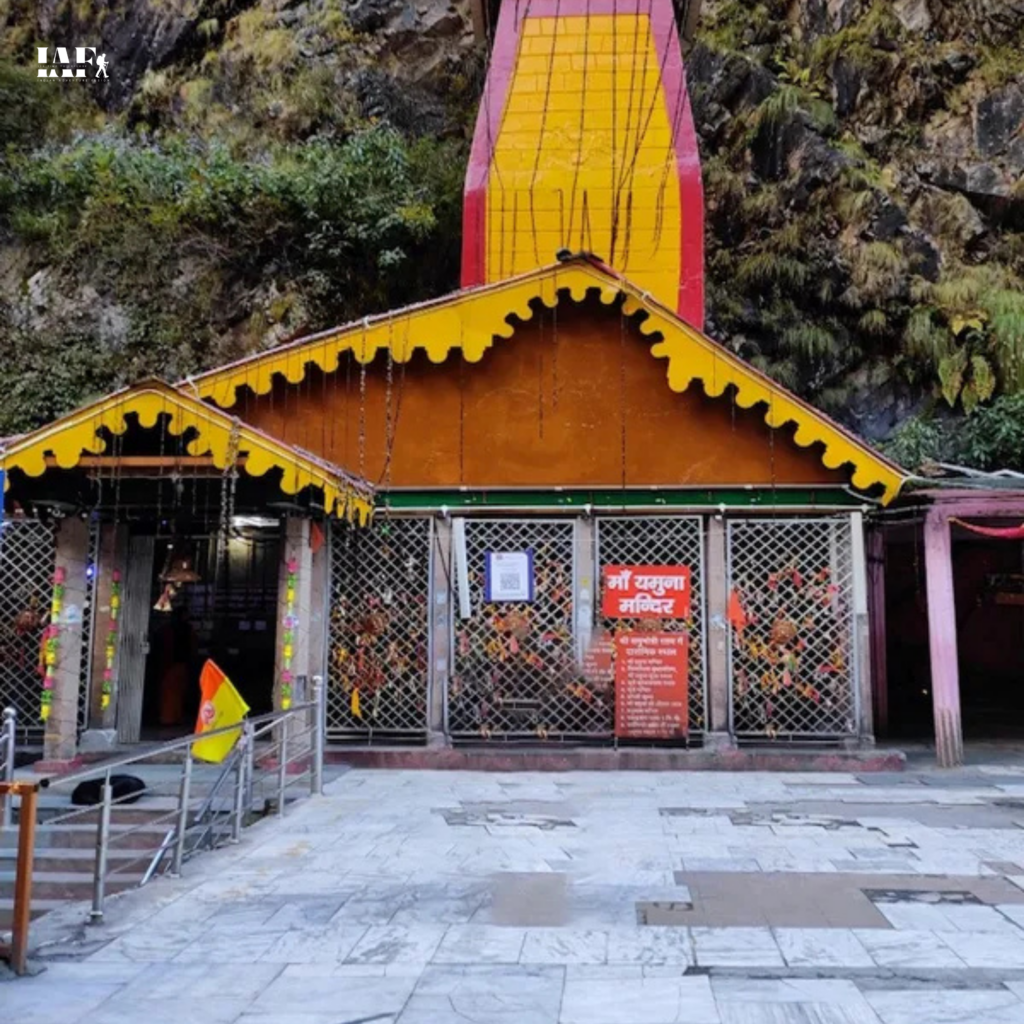
Yamunotri Temple is one of the four holy shrines of the Char Dham Yatra in Uttarakhand. Located in the Uttarkashi district at an altitude of approximately 3,293 meters, Yamunotri marks the sacred source region of the Yamuna River. Surrounded by the majestic Garhwal Himalayas, this pilgrimage site attracts thousands of devotees every year.
The temple is dedicated to Goddess Yamuna, who is worshipped as the daughter of Surya (the Sun God) and the sister of Yama (the God of Death). According to Hindu beliefs, offering prayers at Yamunotri Temple protects devotees from untimely death and cleanses sins. Therefore, it holds deep spiritual significance in Hindu tradition.
The actual source of the Yamuna River lies at the Yamunotri Glacier near the Bandarpunch mountain range. However, due to difficult terrain, pilgrims visit the temple as the main religious site. Before entering the temple, devotees take a holy dip in Surya Kund, a natural hot water spring located nearby. Many pilgrims cook rice and potatoes in the hot water as a sacred offering. Close to the temple stands Divya Shila, a holy rock pillar that devotees worship before entering the shrine.
The journey to Yamunotri begins from Hanuman Chatti, followed by Janki Chatti, from where a 5–6 km trek leads to the temple. The scenic trek passes through mountains, waterfalls, and lush valleys, making the pilgrimage both spiritual and adventurous.
The temple opens every year in April or May and closes in October or November due to heavy snowfall. During winter, the idol of Goddess Yamuna is moved to Kharsali village for worship.
Yamunotri Temple is not only a sacred pilgrimage destination but also an important cultural and natural landmark of Uttarakhand.

Kedarnath Temple – Sacred Jyotirlinga of Lord Shiva
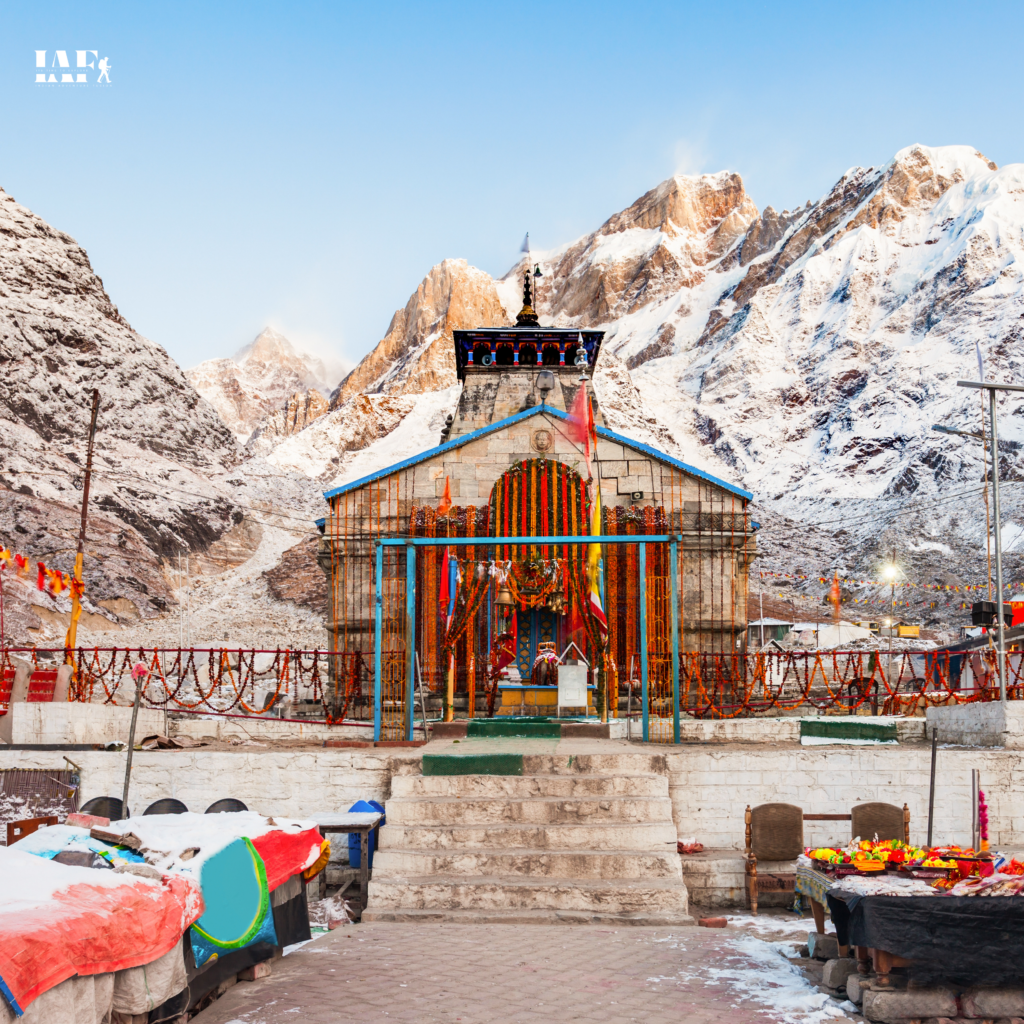
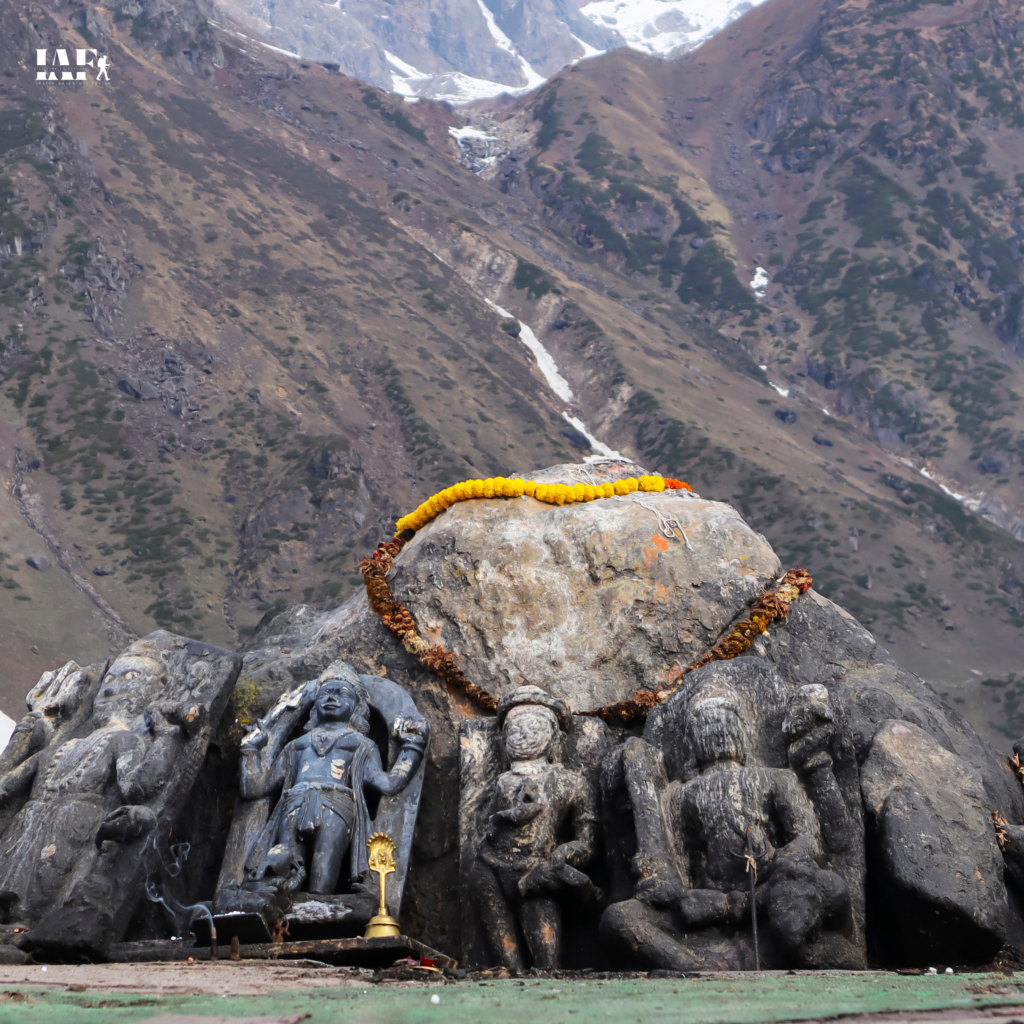
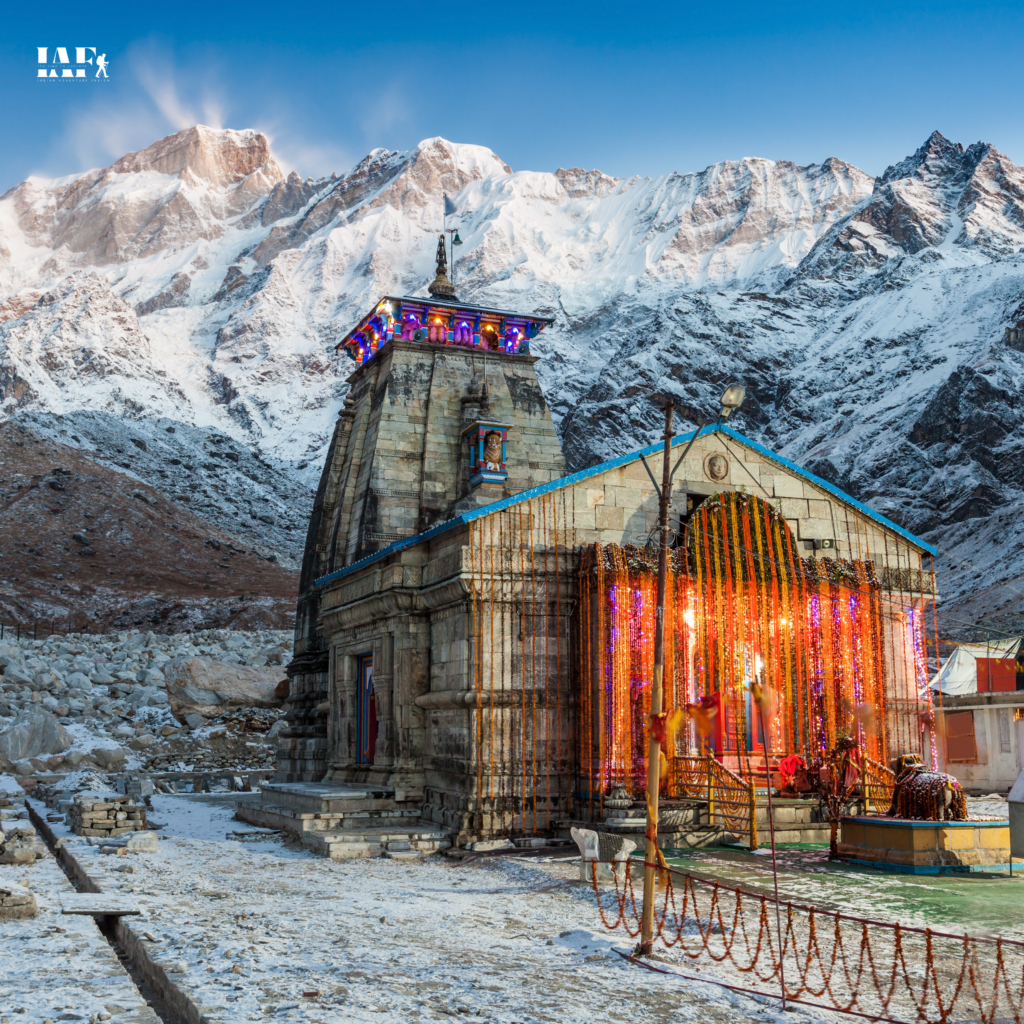
Kedarnath Temple is one of the holiest shrines of the Char Dham Yatra in Uttarakhand. It is located in the Rudraprayag district at an altitude of about 3,583 meters above sea level. The temple stands near the Mandakini River and is surrounded by the majestic snow-covered peaks of the Garhwal Himalayas.
Devotees worship Lord Shiva at Kedarnath Temple. It is one of the twelve Jyotirlingas in India, which makes it extremely important in Hinduism. According to mythology, the Pandavas built the original temple to seek forgiveness from Lord Shiva after the Mahabharata war. Later, Adi Shankaracharya revived and renovated the temple.
The temple features strong stone architecture. Builders constructed it using large grey stone slabs that can withstand extreme weather conditions. Despite heavy snowfall and floods, the temple has remained strong for centuries. This strength increases its spiritual and historical value.
Pilgrims begin their journey from Gaurikund. From there, they complete a 16‑18 kilometer trek to reach the temple. Many devotees also use ponies or helicopter services to reach Kedarnath. The scenic route offers stunning views of mountains, rivers, and valleys.
The temple opens every year in April or May and closes in October or November due to heavy snowfall. During winter, priests shift the idol of Lord Shiva to Ukhimath for worship.
Thousands of devotees visit Kedarnath every year to seek blessings, strength, and spiritual peace. The divine atmosphere, combined with breathtaking Himalayan scenery, makes Kedarnath one of the most important pilgrimage destinations in India.
Badrinath Temple – Sacred Shrine of Lord Vishnu
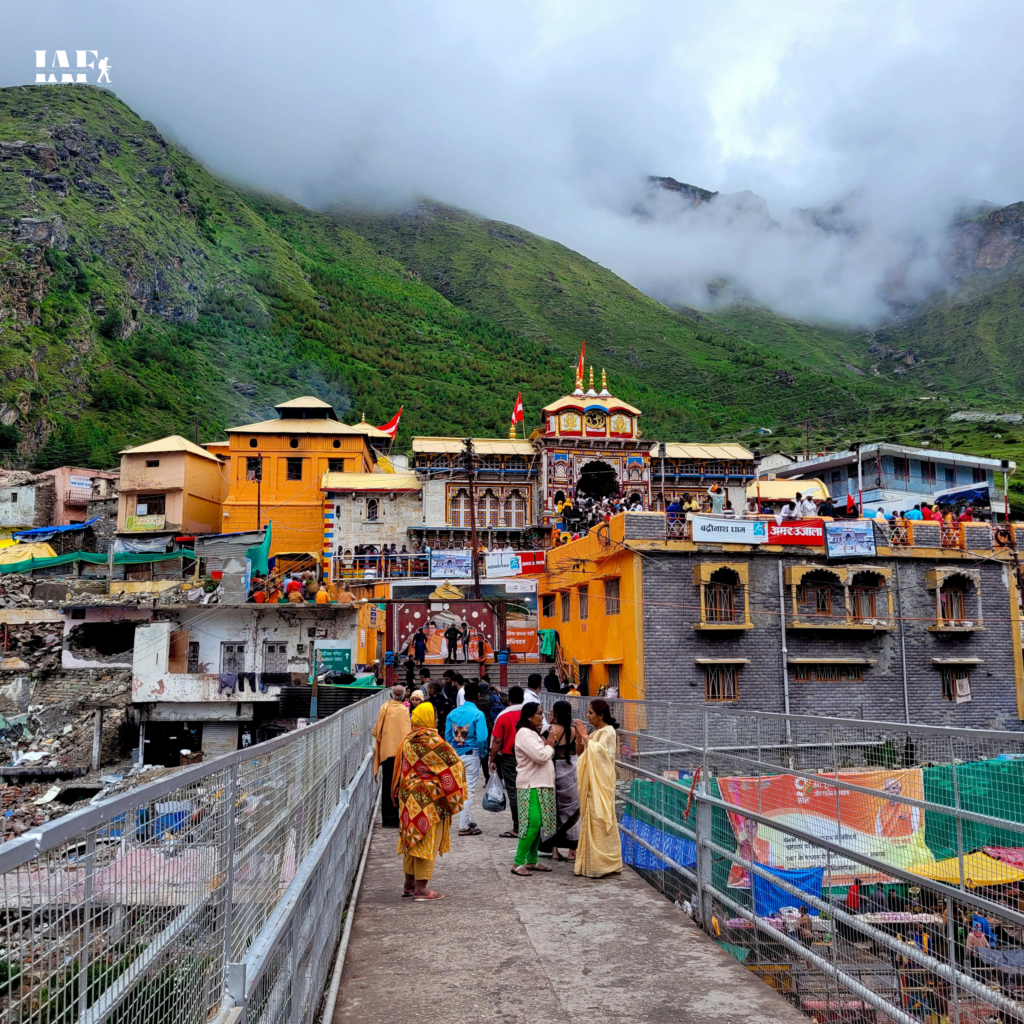
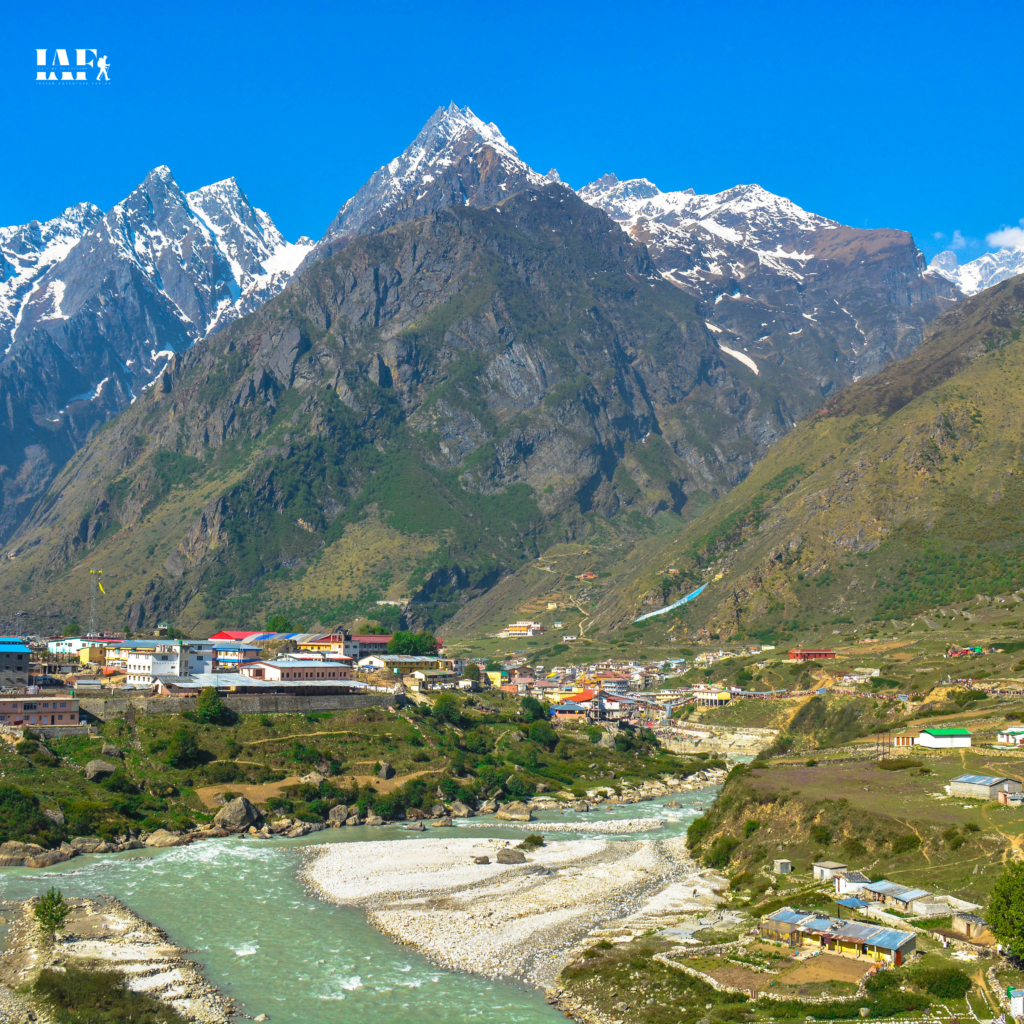
Badrinath Temple is one of the most important shrines of the Char Dham Yatra in Uttarakhand. It is located in the Chamoli district at an altitude of about 3,133 meters above sea level. The temple stands on the banks of the Alaknanda River and is surrounded by the beautiful Nar and Narayan mountain ranges.
Devotees worship Lord Vishnu here in the form of Badrinarayan. The temple holds great importance in Hinduism. It is also one of the 108 Divya Desams, which are sacred temples dedicated to Lord Vishnu. According to belief, Lord Vishnu meditated at this place, and Goddess Lakshmi protected him in the form of a Badri tree. This legend gives the temple its name, Badrinath.
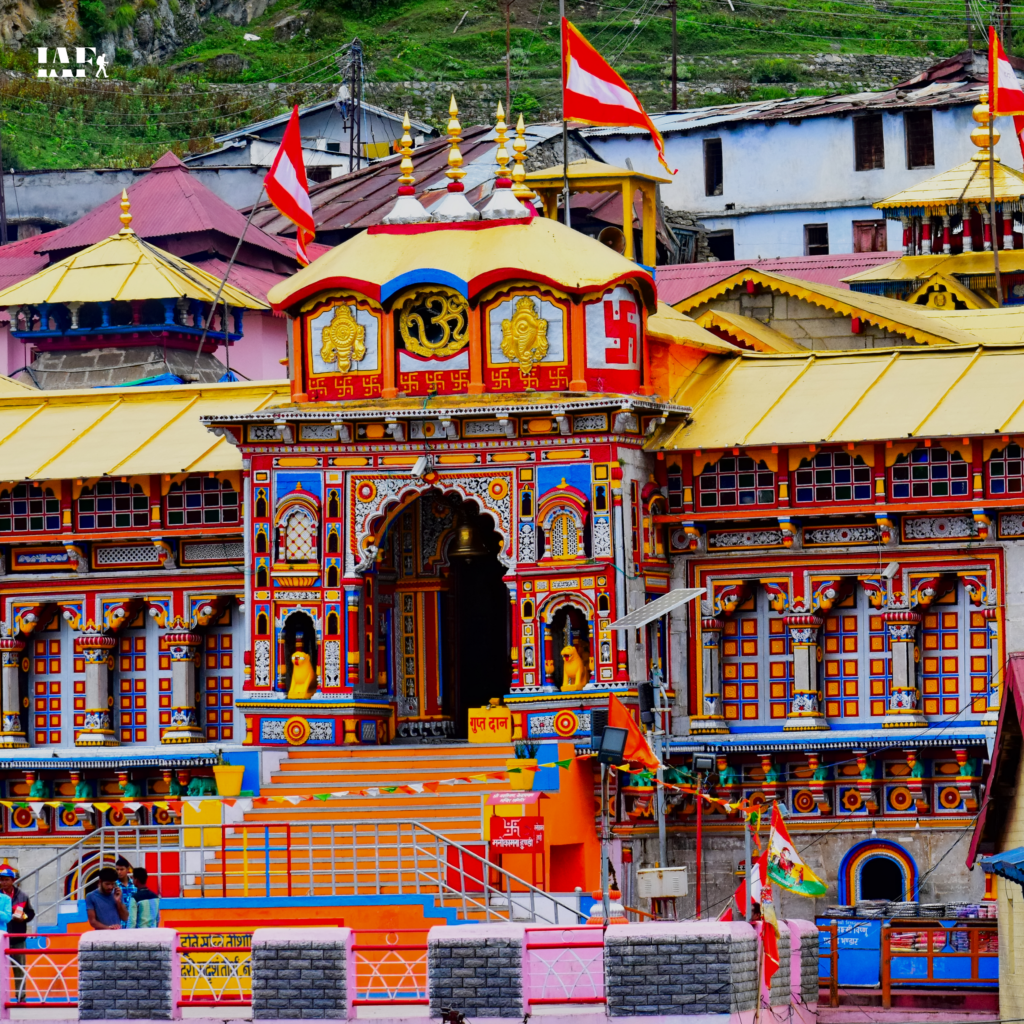
Adi Shankaracharya established the present temple in the 8th century. Over time, rulers of Garhwal renovated and maintained it. The temple features a colorful façade and traditional Himalayan architecture, which attracts pilgrims and tourists alike.
Before entering the temple, devotees take a holy dip in Tapt Kund, a natural hot water spring located near the entrance. Many pilgrims believe that bathing in this kund purifies the body and soul.
The temple opens every year in April or May and closes in October or November due to heavy snowfall. During winter, priests shift the idol to Joshimath for worship.
Thousands of devotees visit Badrinath Temple every year to seek blessings, peace, and spiritual growth. The calm river, snow‑covered peaks, and divine atmosphere create a truly sacred experience.
Badrinath remains one of the most visited pilgrimage destinations in India and holds deep religious and cultural significance in Uttarakhand.